
How to Supercharge Your Automotive Battery This Winter 🚗❄️
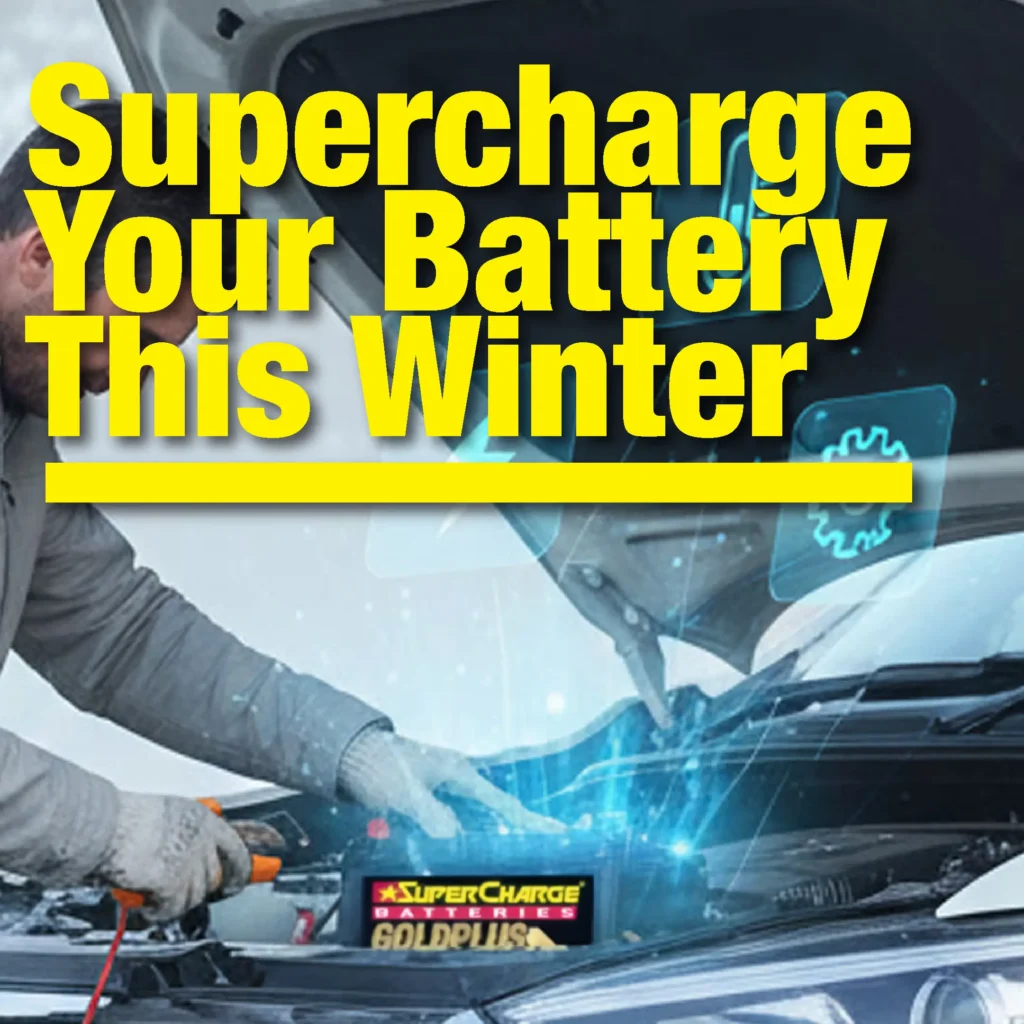
Winter can be especially harsh on automotive batteries. As temperatures drop, the chemical reactions inside your car’s battery slow down, reducing its ability to hold and deliver charge. That’s why so many drivers experience slow engine cranks or dead batteries during colder months. Fortunately, a few proactive steps can keep your automotive battery performing at its best.
1. Test Before Winter Hits
Before the cold sets in, have your battery tested. Most service centers can check its voltage and overall health. If your battery is more than three years old, consider replacing it to avoid unexpected breakdowns.
2. Keep It Fully Charged
Cold weather reduces battery capacity, so maintaining a full charge is essential. Short drives don’t give your alternator enough time to recharge the battery, so try to take longer drives occasionally or use a trickle charger if your vehicle sits unused.
3. Clean the Terminals
Corroded battery terminals can reduce electrical flow and worsen winter performance. Clean them using a mixture of baking soda and water, and ensure all connections are tight and secure.
4. Park Smart
Whenever possible, park your car in a garage or sheltered area. Even a slight increase in temperature can help preserve battery strength. If a garage isn’t available, consider using an insulated battery blanket.
5. Limit Electrical Drain
Heaters, defrosters, headlights, and seat warmers all put extra strain on your battery. Turn off unnecessary electronics when starting your engine to reduce the load.
6. Start Your Car Regularly
If you don’t drive often, start your vehicle every few days to keep the battery active. Let it run for at least 10–15 minutes to maintain a healthy charge.
By taking these simple precautions, you can extend your automotive battery’s life and ensure reliable starts throughout the winter season.